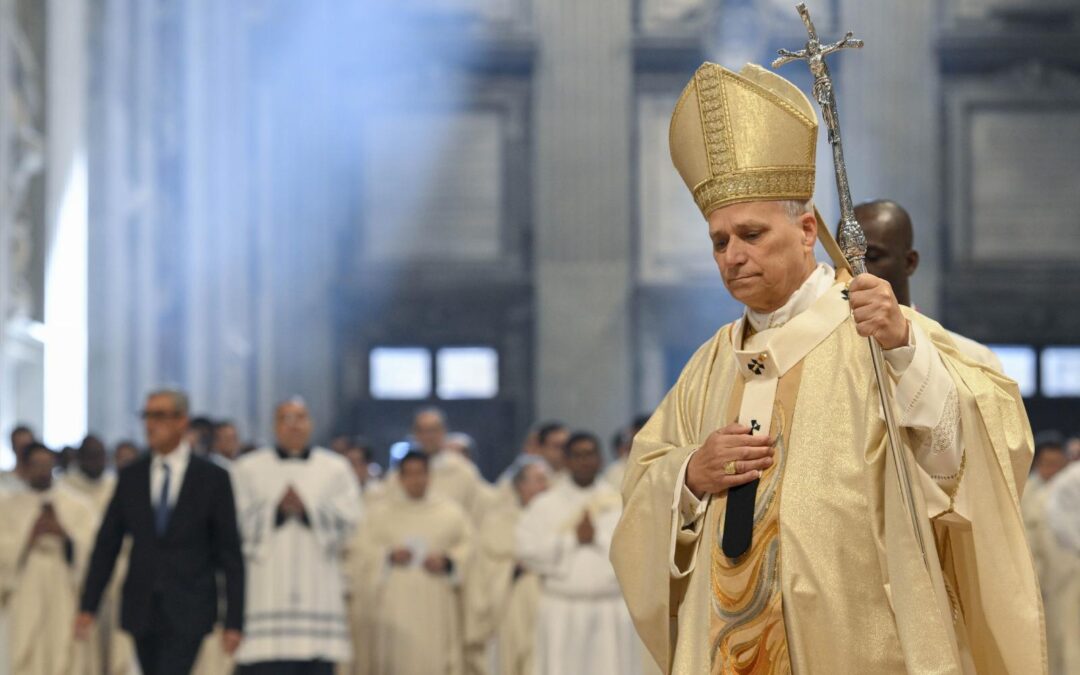
A masterclass in fearless communication is coming straight out of the Vatican. I’m an Episcopalian, so it’s a bit funny to be lionizing the pope, but to give credit where it’s due: Pope Leo XIV, the first American-born pontiff, has been demonstrating exactly what it means to speak truth to power.
“Bob from Chicago” is leveraging the massive platform of the papacy to provide a stark, almost embarrassing contrast to the often cowed, hyper-cautious nature of many nonprofits and causes here in the United States.
I’m sad about the current landscape for advocacy in America. Our nonprofits and social causes are terrified. I’ve worked in strategic partnership with dozens of organizations from human rights groups to tech startups. Since Trump came to power I’ve seen leaders water down their communications, scrubbing real teeth for fear of alienating major donors or provoking government retaliation.
Their fears are warranted. When you cross the administration, the financial guillotine drops. We just saw this happen in Miami. The White House pulled a longstanding $11 million contract from Catholic Charities of the Archdiocese of Miami — funding used for a program providing specialized services for unaccompanied and undocumented immigrant minors. It’s not a unique piece of retaliation by any means. Faced with this kind of threat, most U.S. organizations have retreated into a shell.
Pope Leo XIV, however, has taken a completely different route. Rather than retreating, he has leaned fully into the moral authority of his office. The papacy is a unique communication platform; it provides a way of speaking without fear because it transcends national borders and quarterly earnings reports.
What are they going to do? Fire the pope?
I’m also struck when I read about how Pope Leo was selected. He emerged as a leader willing to build consensus in the conclave. He listened to his colleagues and helped facilitate a path forward. I assume that his latest statements are the result of such a consensus approach, rather than unilateral grandstanding. People wanted him to speak up and he has.
When discussing the U.S.-Israeli war with Iran, Leo said that “a diplomacy that promotes dialogue and seeks consensus among all parties is being replaced by a diplomacy based on force,” and warned that “war is back in vogue, and a zeal for war is spreading.” During an address in Cameroon, he delivered a strong critique of Christian nationalism: “Woe to those who manipulate religion and the very name of God for their own military, economic and political gain, dragging that which is sacred into darkness and filth.” He went on say, “The world is being ravaged by a handful of tyrants, yet it is held together by a multitude of supportive brothers and sisters.”
Amen.
Just in case you didn’t hear him right, on a flight to Algeria, he said: “I’m not afraid of the Trump administration, or speaking out loudly of the message of the Gospel, which is what I am here to do, what the church is here to do.”
So, what can powerful leaders in the U.S. learn from an American-born Pope taking on the President?
We have university presidents, Fortune 500 CEOs, and heads of massive philanthropic foundations who possess tremendous structural power and vast communication resources. By comparison to the Vatican’s $1.3 billion budget, for example, a company like Microsoft, which spends $25 billion a year on sales and marketing, has far more resources to devote to saying something worthwhile.
Imagine if the leaders of such major U.S. institutions used their positions the way Leo uses the papacy. True leadership requires accepting that doing the right thing might cost you, and following the example of others who’ve done the same. Let’s start there.