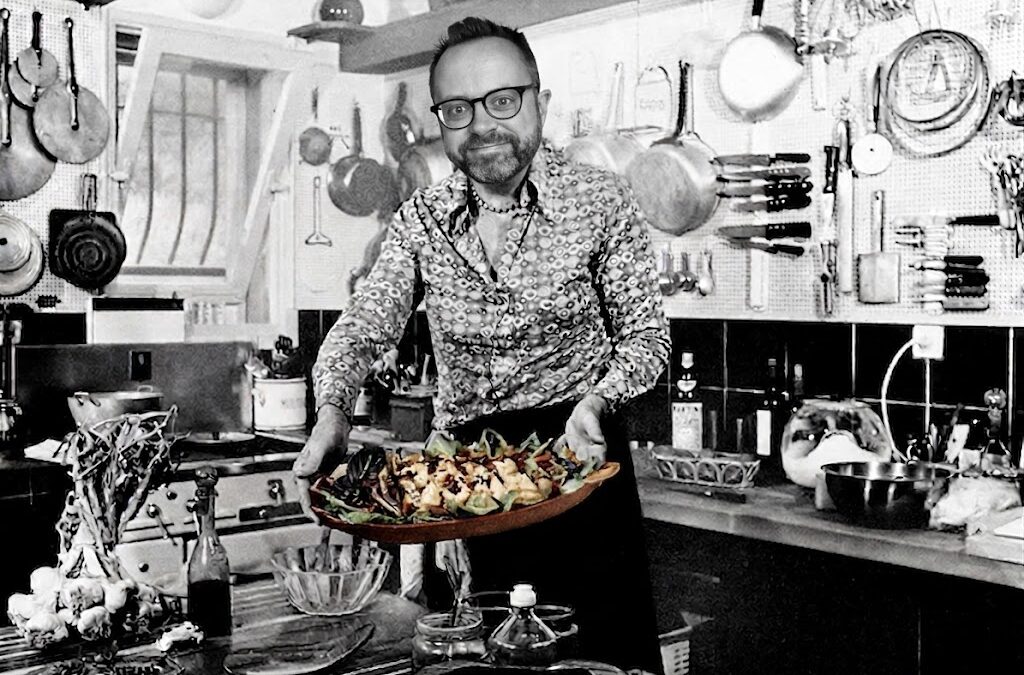
Julia Child’s famous rule for hosts is, “never apologize, never explain.”
By that, she means don’t start making self-deprecating excuses about your food. When you say “this might taste terrible,” or “I’m sorry it didn’t turn out,” it’s uncomfortable. Instead of enjoying the meal, your guests have to spend energy reassuring the host.
Every weekend we host friends at our house for an informal dinner. I usually end up cooking for about eight adults and four children, and have a roster of dishes that I can churn out. Sometimes I’ve burned the ribs. Once I burned them quite a lot, actually. But people are always grateful I’ve gone to the trouble of cooking a meal for them when they sit down. They’re also very polite when you do make a mess of things. I even undercooked the burgers on July 4th. Nobody asked me if I’d done it in protest over ejecting the British.
Saying sorry and meaning it is a different thing, of course. If I owe someone an apology I usually give it. But saying sorry for the quality of something creative you’ve produced is different. What you’re doing there is admitting that you’re not confident.
Confidence matters when I’m working with people to help them tell their stories. Most of us struggle to craft an elevator pitch explaining ourselves at the best of times. The last thing they want when they’re trying to do it is to have me simpering next to them. I offer an experienced second pair of eyes and thought partnership. I don’t need a medal, or reassurance. That’s what the money you pay for my services is for. Now, let’s get on with it.
One of the biggest signs of an under-confident communications person is they over-talk. If you’ve hired an agency, for example, or an in-house person, you do want to pay close attention at the first meeting. How many questions are they asking you? How much do you feel listened to? And how much bluster and energy are they putting into it? Do you feel, at the end of the conversation, like you’ve been the victim of a sort of public relations hurricane? If you do, I’m afraid that’s a very bad sign. I always say you can tell a bad comms person from how big their glasses are. If they’re wearing enormous black frames they’re often terrible. In the 80s it was the same with shoulder pads, I’m sure.
I am, in many ways, a terrible public relations, marketing and communications person. By that, I mean I’m honest, and that I won’t seek to reassure you, either. In my early interactions with my clients I’m often seeking to see how they respond to direct feedback. Do they get defensive? Do they appreciate it? Do they get more curious to talk with me some more?
If not, then it doesn’t matter what I’m serving up from the communications kitchen. They won’t appreciate it and they won’t get invited to dinner again. 95% of people don’t appreciate good cooking, or good communications advice, and it’s their loss. Not mine. That, I’d venture to suggest, is professional maturity, not arrogance. Learning to work with people who genuinely value you.
The best feedback I’ve ever gotten on a dinner I made was from a seven-year-old girl, actually. She asked her father after a couple of mouthfuls: “How is this so good?”
From the mouths of babes. Now that’s reassuring! The only person who ever said anything similar about my work was Anthony Bourdain after I interviewed him. He told me, “I wish that they were all this good,” and I’m afraid to say I blushed for about three hours. We went and saw the new movie about his early career this weekend and I thoroughly recommend it, incidentally. Bon appetit!