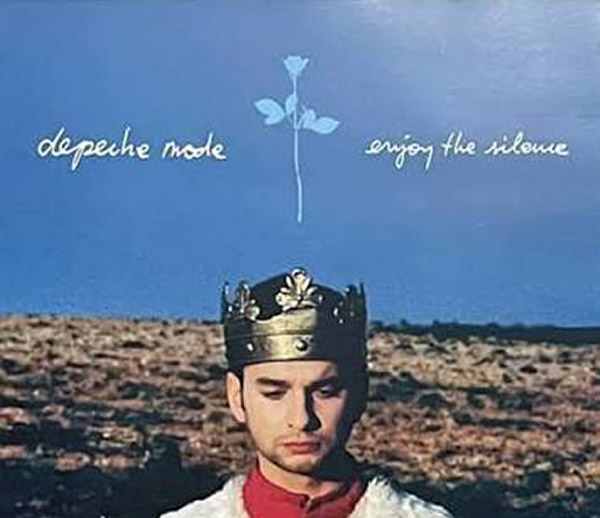
IPSOS asks the world’s communications leaders what keeps them up at night. This year’s answer comes in the Reputation Council Report 2026. The new approach is “strategic silence.” Six in 10 said that even when their organization could speak up on a divisive issue, they’d stay silent. The communications industry’s official position on communication is now: Can we not?
Key findings:
- Six in 10 would prefer to remain silent on a divisive issue even when they could speak up with standing.
- More than a third say their organization has stayed quiet on issues it would once have commented on.
- Almost a quarter admit they have under-communicated credible ESG progress.
- Almost half say populism represents a material risk to their organization
- Eight in 10 take political factors into consideration when deciding whether to speak up.
My favorite line in the whole report comes from an anonymous council member. Describing the operating environment, they said: “Nothing surprises me anymore.” That is either the most zen or the most exhausted sentence. My recent experience suggests it’s both.
The report’s explanation is serious and correct. Political risks are harder to expect than they used to be. That’s because the politics themselves change faster than a news cycle. The consequences of misjudgment can be severe. One wrong statement gets you hauled in front of a congressional committee. Or you find yourself named in a presidential tweet. Or both things happen before lunch.
So, the rational move is to say nothing. This is arithmetic. When the expected value of speaking is negative, silence is the correct answer. Comms leaders are nothing if not survivors.
But here’s the thing the report dances around: Silence has a cost, too, and we’re starting to be able to measure it. There’s a second thing the report doesn’t say at all, because IPSOS is too polite. Nature abhors a vacuum, and Donald Trump has built power talking into people’s silence.
Trump doesn’t do strategic silence. He does the opposite — strategic noise. He says the thing, then says it louder, then says the opposite thing. Then he denies saying the first thing. It works, or at least it works on the only metric he cares about: He owns the conversation. Every news cycle is about what he said. Every corporate comms team in America is sitting in a room deciding whether to respond to what he said. Meanwhile, he is the agenda, because everyone else vacated it.
I would argue there is no such thing as opting out of the discourse in 2026. There’s only deciding whether you get a vote in it. And right now, the vote is going to the loudest man in the room by default, because everyone else abstained. Of course, the midterms are looming in November. America plans to have its say in certain terms, then.
But I keep thinking about the asymmetry. A Fortune 500 CEO needs approvals, a legal review, and a scenario plan to issue a 40-word statement. Trump needs his iPhone. The professionals have optimized themselves into paralysis. Trump talks.
That’s why the exceptions matter so much. Jon Ossoff, for one. The junior senator from Georgia has been saying what almost nobody else will say. Donald Trump is corrupt, the corruption is the story, and euphemism is complicity. No “concerns about norms.” No “troubling developments.” Corrupt. It’s a short word; it’s an accurate word. The fact that using it counts as courage tells you everything about the state of our discourse.
Then, this weekend, something happened that tells you how far the silence has spread. Andrew C. McCarthy — former federal prosecutor, longtime National Review conservative, wrote a column. It’s titled “Congress Must Investigate Trump’s Aid and Comfort to Putin.”
McCarthy: “In a properly functioning republic, there would be immediate hearings about this week’s shocking escalation of the Trump–Putin alliance.” And: “Republicans and Democrats, together, should regard this week’s developments as the last straw.” His sign-off: “This is dark. It demands answers. Now.”
He’s not alone on the right anymore. Senator Thom Tillis called waiving sanctions on Russia “unconscionable” and “beyond irresponsible.” Senator John Cornyn shared McCarthy’s column. Congressman Don Bacon compared Trump to Neville Chamberlain and called it appeasement. The Wall Street Journal editorial board called it a “moral and strategic mistake.”
Here’s the comms angle, and it’s bleak. McCarthy spent years telling everyone the Russia story was hysteria. His National Review colleague Dan McLaughlin posted this weekend: “There’s been a lot of hysteria over the years at Trump’s posture towards Russia, which has often been worse rhetorically than practically. But this time, the wolf comes as a wolf.”
So, here’s my question for America’s silent institutions: What’s your timeline? Do you plan to speak up on November 4, the day after the midterms? If so, drop me a line. Not judging. But you should start planning what you’ll say and how you’ll say it, now.